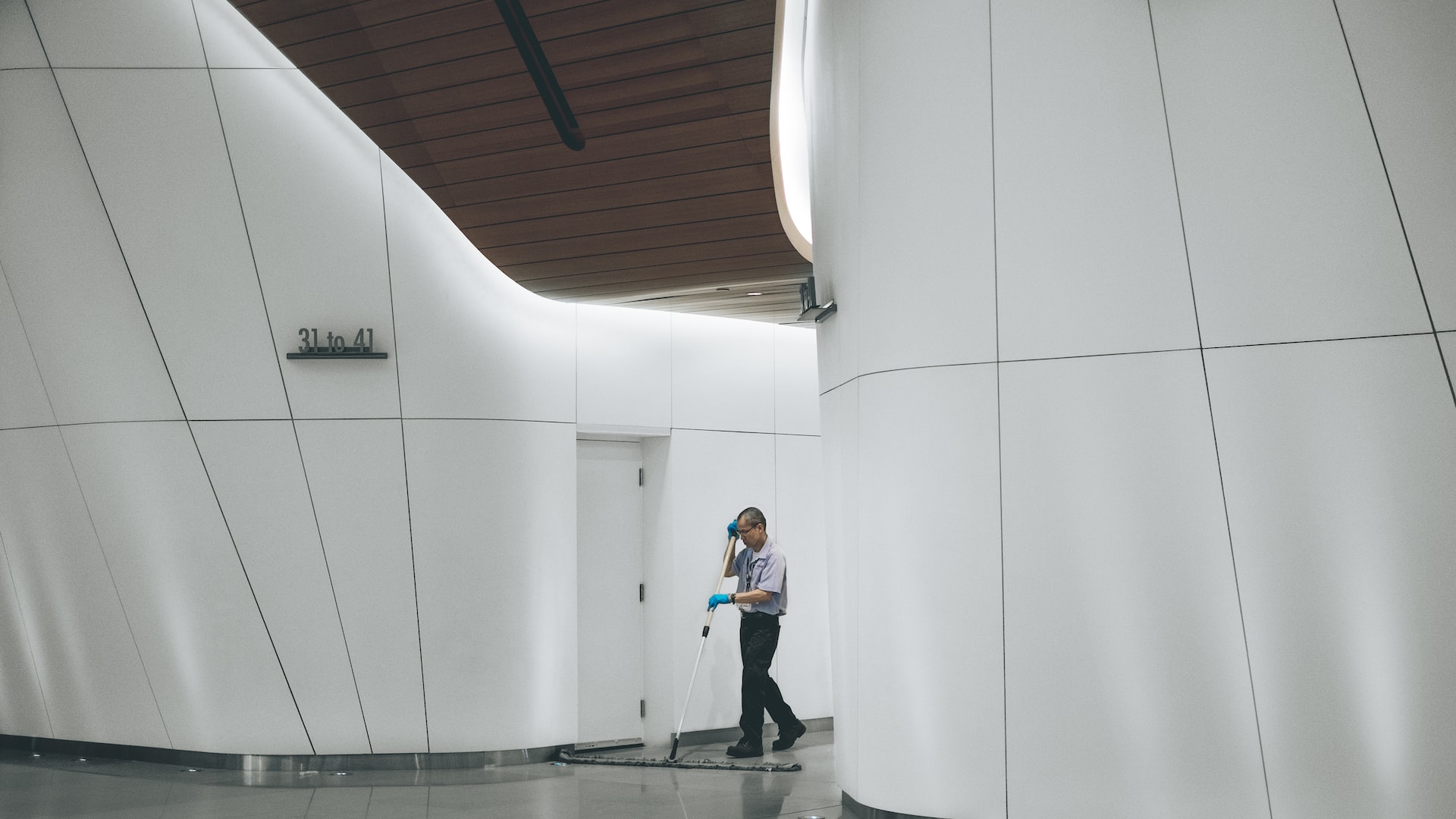
The first person through the office door rarely stops to admire a clean floor. They notice something else instead: the room feels ready. The reception desk is clear, the kitchen smells neutral, and yesterday’s fingerprints have disappeared from the meeting-room glass. Before a single email is answered, the workplace has quietly set the tone.
For Perth business owners, that sense of readiness matters. Whether you run a suburban accounting practice, a busy showroom or a shared office near the city, your premises are part of the experience you offer. Customers read the surroundings. Staff live with them. And somebody has to manage what happens between the last appointment today and the first arrival tomorrow.
That is where professional cleaning becomes more than a finishing touch. With a sensible scope and a schedule that fits the working week, it can help make a business easier to run. Perth Commercial Cleaning is a local company to consider when exploring commercial cleaners for Perth workplaces and tailored office cleaning options.
What commercial cleaners Bring to Everyday Business
A workplace collects evidence of its working day. There are crumbs beneath the lunch table, dust along window ledges and shoe marks near the entrance. Each looks minor on its own. Together, they can make a well-run business feel less considered than it really is.
Professional cleaning puts a routine around these details. Rather than waiting until someone complains about the kitchen or the bins overflow before a client meeting, businesses can agree on tasks, priorities and service times in advance.
The practical benefit is consistency. A business owner should not need to inspect every washroom or remind a rotating cast of employees to mop the kitchenette. An agreed cleaning arrangement gives those responsibilities a clearer home.
Cleanliness Is Part of the Customer Experience
Visitors may not consciously register every tidy surface, but neglected areas are difficult to overlook. A dusty reception counter can undermine a carefully presented brand. An untidy washroom can leave a stronger impression than the conversation that preceded it.
For small businesses, this is particularly relevant because the space often feels personal. Clients associate the room, the service and the people behind the company. A welcoming environment helps those elements work together.
Cleaning cannot replace excellent customer service, but it can remove distractions from it.
A Perth Workplace Has Its Own Rhythm
No two businesses use their premises in quite the same way. A ground-floor consultancy with constant foot traffic has different needs from an upstairs studio occupied by six people. A training room may sit empty on Monday and host thirty visitors on Tuesday.
Perth adds its own practical considerations. Dry, windy conditions can carry dust towards entrances and window tracks. Wet weather can leave tracked-in moisture around doorways. Offices close to busy roads may notice grime collecting differently from workplaces in quieter suburban settings.
These are reasons to discuss the actual property rather than choose a cleaning frequency from floor area alone.
Start With How the Space Is Used
Before requesting a quote, take a short walk through the premises during a normal working day. Look beyond the rooms themselves and consider how people move through them.
Useful questions include:
- How many staff members are usually on site?
- How often do clients, suppliers or other visitors arrive?
- Which rooms are used throughout the day?
- Are meals prepared or simply reheated in the kitchen?
- Do staff share desks, phones or meeting equipment?
- Are there access restrictions outside business hours?
The answers help establish a workable brief. They also make it easier to compare cleaning services on a like-for-like basis.
Understanding the Different Cleaning Roles
Cleaning terminology can seem interchangeable, especially when business owners are searching online. In practice, the most useful distinction is not the label but the scope behind it.
Business Cleaning
A business cleaner generally supports premises used for work or trade. Business cleaning might involve customer-facing areas, staff amenities, internal offices and other agreed spaces.
When comparing business cleaners, ask which areas and tasks are included rather than assuming every provider uses the term in exactly the same way.
Office Cleaning
An office cleaner usually focuses on the spaces associated with desk-based work. Typical office cleaning tasks can include vacuuming, hard-floor care, bin emptying, washroom cleaning and attention to shared kitchens.
Office cleaners may also clean accessible surfaces in meeting rooms and reception areas. However, desks covered with paperwork or sensitive equipment need clear instructions. A tidy-desk policy can make cleaning easier without requiring anyone to handle confidential documents.
Commercial Cleaning
A commercial cleaner works within business premises, but the category is broad. It can cover offices, retail settings and other commercial environments, depending on the provider’s capabilities and agreed service scope.
The term commercial cleaning should not be taken as a promise that specialist work is automatically included. High-level access, delicate materials or unusual waste streams may require separate arrangements.
Commercial Office and Janitorial Cleaning
A commercial office cleaner concentrates on office environments within the broader commercial sector. When assessing commercial office cleaning, businesses should look closely at shared facilities, presentation standards and the timing of work.
Similarly, commercial office cleaners may offer different service inclusions, so a detailed task list remains essential.
Janitorial cleaning often refers to recurring upkeep that keeps a building usable and presentable. A janitorial cleaner might attend to routine floor care, bins and amenities, while janitorial cleaners working across larger properties may follow more extensive schedules. The exact responsibilities should always be confirmed.
Building a Cleaning Plan That Fits
The best plan is not necessarily the one with the longest checklist. It is the one that gives appropriate attention to the areas that need it, at a frequency the business can sustain.
Some tasks belong in every visit. Others make more sense weekly, monthly or as periodic specialist work.
Separate Routine Work From Periodic Tasks
A useful starting framework is:
- Frequent essentials
Washrooms, kitchen surfaces, bins, entrance floors and other heavily used areas. - Scheduled detail work
Accessible skirting boards, internal glass, ledges and less obvious dust-collecting surfaces. - Periodic deeper work
Carpet extraction, upholstery care or other specialist tasks where appropriate and separately agreed.
This approach helps prevent a familiar problem: a workplace that looks acceptable at eye level while neglected corners gradually become harder to restore.
When speaking with Perth Commercial Cleaning, owners can use this framework to explain their priorities and ask which tasks are available within a proposed arrangement.
Give Shared Spaces Extra Attention
Kitchens and washrooms deserve particular thought because many people use them, often within a short period.
Clear responsibilities matter here. Who replenishes soap? Are paper products included in the quote or supplied separately? Does cleaning cover the inside of the microwave? What happens when a spill occurs between scheduled visits?
Agreeing on these details early can prevent surprisingly persistent workplace frustrations.
Choosing Value Rather Than Just a Low Quote
Cleaning sits alongside other business services that owners depend on but may not think about until something goes wrong. Like maintenance, bookkeeping or IT support, it benefits from a clear agreement and dependable communication.
The cheapest quote may be suitable, but price alone does not reveal how much work is included. A shorter visit, fewer tasks or separately charged extras can change the comparison.
Read the Scope Before Comparing the Cost
Ask prospective providers to clarify:
- The areas included in the service
- Task frequencies and any exclusions
- Whether equipment and cleaning products are supplied
- Access arrangements and security procedures
- How missed tasks or concerns are reported
- Any additional charges for periodic work
Relevant insurance and site-specific safety procedures are also worth discussing. Where sensitive information or restricted areas are involved, explain those requirements before work begins.
Commercial services are easier to assess when expectations are written down. A concise, specific agreement is generally more useful than broad promises about making everything spotless.
Making Cleaning Work Around the Working Day
Cleaning should support the business, not become another disruption to manage.
Some workplaces suit early-morning visits. Others prefer after-hours attendance or a carefully timed daytime service. The right arrangement depends on occupancy, noise tolerance, building access and the tasks involved.
Establish a Simple Communication Routine
Choose one contact within the business to raise questions and approve changes. This avoids conflicting instructions from several staff members.
A brief communication process might cover:
- Changes to opening hours
- Upcoming events or unusually busy periods
- Areas that need extra attention
- Maintenance issues noticed during cleaning
- Temporary restrictions around equipment or documents
Office services tend to work better when the provider understands what is happening on site. A large workshop, a new team arriving or a client event may temporarily change what the premises need.
Staff still have a part to play. Putting food away, clearing personal items and reporting spills promptly allow scheduled cleaning to be more effective.
Frequently Asked Questions
How Often Should an Office Be Cleaned?
Frequency depends on occupancy, visitor numbers, facilities and the nature of the work. A busy office with shared kitchens and washrooms may need more frequent attention than a lightly occupied workspace. A site discussion is more useful than a universal rule.
Should Cleaning Take Place Outside Business Hours?
Not necessarily. After-hours work can reduce interruptions, but daytime cleaning may suit some businesses. Discuss noise, privacy, access and safety before deciding on the schedule.
Does General Cleaning Include Disinfection?
Not always. Cleaning removes dirt and residues, while disinfection involves suitable products and procedures for a particular purpose. If disinfection is required, ask which surfaces are covered and how products will be used according to their instructions.
What Should a Business Prepare Before the First Visit?
Identify priority areas, explain access procedures and clarify any security restrictions. Staff should secure confidential documents and remove personal items from surfaces scheduled for cleaning. It also helps to confirm where supplies can be stored, if relevant.
Can a Cleaning Plan Change as a Business Grows?
It should be reviewed when workplace use changes. More staff, longer opening hours or additional visitors can all affect demand. Reviewing the scope is a practical way to keep the service aligned with current needs rather than an outdated routine.
Give Your Workplace a Better Start
A cleaner workplace is built through ordinary things done consistently: emptied bins, cared-for floors, usable kitchens and washrooms that receive proper attention. None is especially dramatic. Together, they make the working day more comfortable and the business more welcoming.
For Perth owners considering professional support, the next step is straightforward. Walk through your premises, note what needs attention and prepare a short list of priorities. Then discuss the space, schedule and service scope with Perth Commercial Cleaning.
A clear brief gives both sides something useful to work towards—and gives your team a workplace that feels ready when the door opens.