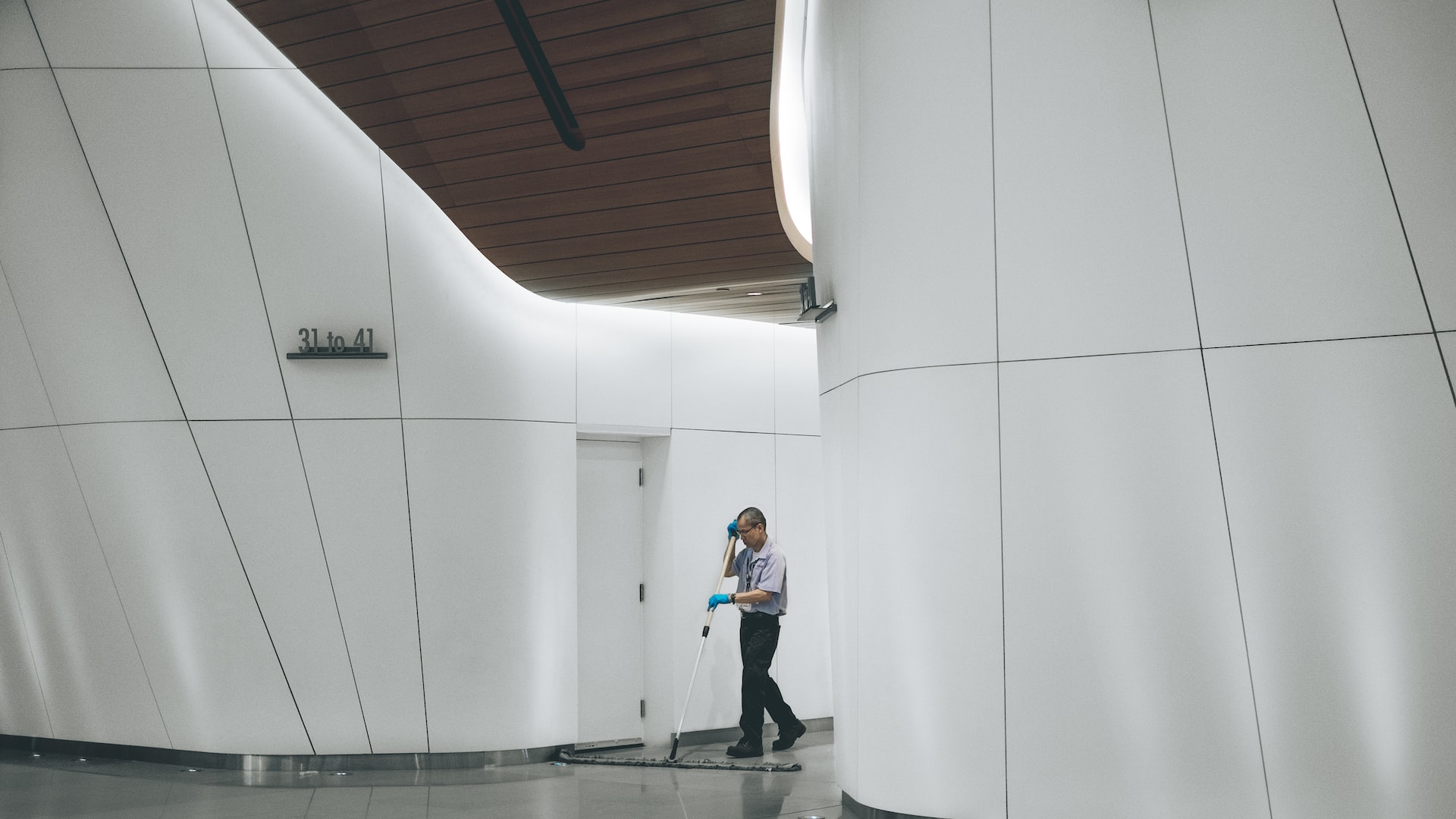
An office tells its story before anyone sits down. There is the glass entrance marked by yesterday’s fingerprints, the meeting table carrying the faint outline of a coffee cup, and the kitchen where somebody has optimistically left a teaspoon beside the sink. None of these details is dramatic. Together, though, they influence how a workplace feels.
For Wellington businesses, that feeling matters. A tidy office can make the working day more comfortable, help shared spaces function smoothly, and give visitors a reassuring first impression. Whether the premises hold a small consultancy, a busy professional practice, or a growing team sharing an open-plan floor, cleaning belongs in the everyday running of the business.
Wellington Commercial Cleaning is a local company for businesses considering professional support with commercial cleaning and reliable office cleaning services for busy workplaces. The useful starting point is not simply asking how often a cleaner should visit. It is understanding what the space needs, who uses it, and where a little more attention could make a noticeable difference.
Why office cleaning services deserve a closer look
Cleaning is easy to notice when it has been missed. Overflowing bins, dusty shelves, and sticky kitchen surfaces quickly become distractions. Consistent cleaning, by contrast, tends to disappear into the background. People arrive, find the workplace ready, and get on with their day.
That quiet reliability is the real value of a considered cleaning arrangement.
A workplace does not need to resemble a showroom. It needs to feel cared for and work well for the people using it. Floors should be appropriate for everyday foot traffic, bathrooms should be presentable, and shared facilities should be ready for the next person.
Cleanliness as part of the working atmosphere
The condition of shared spaces sends a message about expectations. When the kitchen is routinely cleaned and supplies have an agreed place, staff can more easily maintain reasonable habits between visits.
Cleaning does not replace considerate behaviour. However, it provides a foundation for it. A workplace that starts each morning in good order is easier to keep that way than one where small problems have accumulated for weeks.
For managers, outsourcing agreed cleaning tasks can also reduce the awkwardness of repeatedly asking employees to tackle jobs outside their usual responsibilities.
Reading the Rhythm of a Wellington Workplace
Wellington workplaces have different patterns. A waterfront office welcoming clients throughout the day has different priorities from a small upstairs studio used by a mostly hybrid team.
Weather and building access matter too. On wet, windy days, entrances may collect moisture, grit, and leaf debris. A heavily used doorway might need attention more often than a quiet back room, regardless of how those rooms compare in size.
The most useful commercial cleaning plan reflects those practical differences.
Start with use rather than floor area alone
Floor area helps inform a quote, but it does not tell the whole story. A compact office with frequent visitors, busy bathrooms, and a well-used kitchen may require more attention than a larger space with fewer occupants.
Before approaching a provider, consider:
- How many people typically use the premises each day.
- Whether clients or customers regularly visit.
- Which rooms experience the heaviest traffic.
- How often staff prepare food or eat on site.
- Whether work continues outside standard office hours.
- Which surfaces need particular care or manufacturer-approved products.
These details help turn a general enquiry into a practical discussion about scope.
Make room for changing attendance
Hybrid working can produce uneven cleaning needs. Tuesday might bring a full team, shared lunches, and back-to-back meetings, while Friday leaves only a handful of desks occupied.
Rather than assuming every weekday looks the same, businesses can discuss whether the proposed schedule matches actual attendance. The aim is to avoid both neglected busy periods and unnecessary work in lightly used areas.
Looking Beyond the Empty Rubbish Bin
Visible tidiness and thorough office cleaning are related, but they are not identical. Empty bins can make a room look better while dust remains on ledges and food residue builds up around kitchen appliances.
A clear task list helps everyone understand what is included.
The everyday essentials
Depending on the agreement and the premises, routine business cleaning may involve vacuuming, mopping suitable floors, wiping accessible surfaces, cleaning bathrooms, and removing rubbish to designated collection points.
Shared touchpoints also deserve consideration. Door handles, light switches, and meeting-room controls receive frequent contact, although appropriate cleaning methods depend on the material and any equipment guidance.
It is worth distinguishing between cleaning, which removes dirt and residue, and disinfection, which involves suitable products used according to their instructions. Neither should be treated as a vague promise to make an entire workplace germ-free.
The tasks that need their own timetable
Some work is better planned periodically rather than assumed to happen during every visit.
Examples to discuss include:
- Detailed cleaning around skirting boards and edges.
- Interior glass and partition cleaning.
- Attention to accessible vents and high dusting areas.
- Carpet cleaning suited to the flooring.
- Cleaning inside shared appliances where agreed.
Not every provider includes every task. When speaking with Wellington Commercial Cleaning, ask which requirements can be incorporated into the proposed service and which need separate arrangements.
Finding the Right People for Your Premises
A good office cleaner does more than move efficiently through a checklist. They work within an occupied business environment, where security, privacy, and consistency matter alongside presentation.
For a small business owner, this can be particularly important. The office may contain confidential paperwork, specialist equipment, or stock stored close to everyday work areas.
Clear boundaries protect everyone
Before work begins, establish which surfaces may be cleaned and which should be left untouched. A clear-desk policy can help, but it should not be assumed.
Useful instructions might cover:
- Areas containing sensitive documents or equipment.
- Rooms requiring permission before entry.
- Alarm, key, and access-card procedures.
- Where cleaning materials may be stored.
- How maintenance issues or accidental damage should be reported.
These are ordinary operational details, not signs of mistrust. They help office cleaners carry out their work with fewer interruptions and less uncertainty.
Ask how communication will work
Businesses often focus on the initial clean and overlook the reporting process. Yet a straightforward way to raise concerns can be just as valuable as a detailed task list.
Ask who receives feedback, how schedule changes are handled, and what happens if access is unavailable. Commercial office cleaners need reliable information when a meeting runs late, a room is temporarily closed, or building management changes entry arrangements.
The best arrangement is one that can accommodate normal workplace changes without repeated confusion.
Making Sense of Cleaning Industry Language
Search for local cleaning help and a variety of terms appear. Some businesses advertise commercial cleaners, others refer to business cleaners, and some use the language of janitorial cleaning.
The labels can overlap. What matters most is the written scope rather than the category name.
Commercial and office work
Commercial cleaning is a broad term covering cleaning for business premises. Office work sits within that category, with attention typically directed towards work areas, meeting rooms, shared facilities, and reception spaces.
Commercial office cleaning should therefore be discussed in terms of the actual building and its use. A legal practice, design agency, and property office may share similar furniture but have different access requirements and visitor patterns.
Understanding janitorial terminology
Janitorial cleaners are often associated with recurring upkeep tasks that keep facilities usable and presentable. Depending on the provider, this may include bathroom care, floor cleaning, waste handling, or checking consumable supplies.
Do not assume replenishment is automatically included. Clarify who purchases items such as hand soap, paper towels, and toilet tissue, and whether the cleaning team is expected to monitor stock.
Even if a provider appears in a directory under a broad label such as commercial cleaning co, the sensible next step is to ask exactly what its proposed service covers.
Building a Sensible Arrangement with Wellington Commercial Cleaning
For businesses considering Wellington Commercial Cleaning, a useful enquiry begins with a short, accurate description of the premises. Include the location, approximate size, typical occupancy, main cleaning concerns, and preferred access times.
The Wellington Commercial Cleaning website is a starting point for reviewing available information and preparing questions. Specific requirements, availability, pricing, and any specialist tasks should be confirmed directly rather than assumed.
Compare scope before comparing price
Two quotes can look different because they cover different work. One may include regular attention to internal glass, while another treats it as an additional task. One may allow for a heavily used kitchen; another may be based on lighter use.
Ask for enough detail to understand:
- The tasks included in each visit.
- The proposed frequency.
- Any periodic work.
- Who provides equipment and consumables.
- Any exclusions or access requirements.
- How changes to the arrangement are managed.
A clear proposal is more useful than a low headline figure with uncertain boundaries.
Frequently Asked Questions
How often should an office be professionally cleaned?
Frequency depends on occupancy, visitor traffic, facilities, and the nature of the work. Busy shared kitchens and bathrooms generally need more frequent attention than lightly used rooms. A discussion about actual usage is more helpful than choosing a schedule solely by office size.
Should cleaning happen during or after working hours?
Either can work if planned properly. After-hours visits may reduce disruption, while daytime cleaning can suit premises where access or supervision is easier during business hours. Consider noise, meetings, security, and staff preferences before deciding.
Do employees still need to tidy their desks?
Usually, an agreed level of tidiness helps cleaners reach accessible surfaces safely. Staff should secure confidential papers, put away personal items, and understand which areas are included. Cleaning teams should not be expected to decide what paperwork can be moved.
Can a cleaning arrangement change as a business grows?
It should be reviewed when occupancy, layout, or working patterns change. Adding staff, opening another meeting room, or increasing client visits may affect the time and tasks required. Discuss adjustments before the existing arrangement becomes stretched.
Give Your Workplace a Better Starting Point
A well-kept office is not about chasing perfection. It is about removing small, recurring frustrations so the space supports the people inside it.
For Wellington businesses, the next step can be straightforward. Walk through the premises, note the areas that need attention, and separate everyday tasks from occasional work. Then discuss those needs with Wellington Commercial Cleaning and confirm a scope that suits the building, budget, and working week.
Thoughtful cleaning rarely demands the spotlight. Its success is found in the quieter details—a welcoming entrance, a usable kitchen, and a workplace ready for another day.